
In an era where over 5 billion people are online, digital marketing has become the heartbeat of business growth. But launching a few ads or posting on Instagram isn’t enough—you need a strategy. Whether you’re a startup in Bangalore’s tech ecosystem or a service-based business in Mangalore, this guide will show you how to create a custom digital marketing strategy that aligns with your goals and delivers real results.
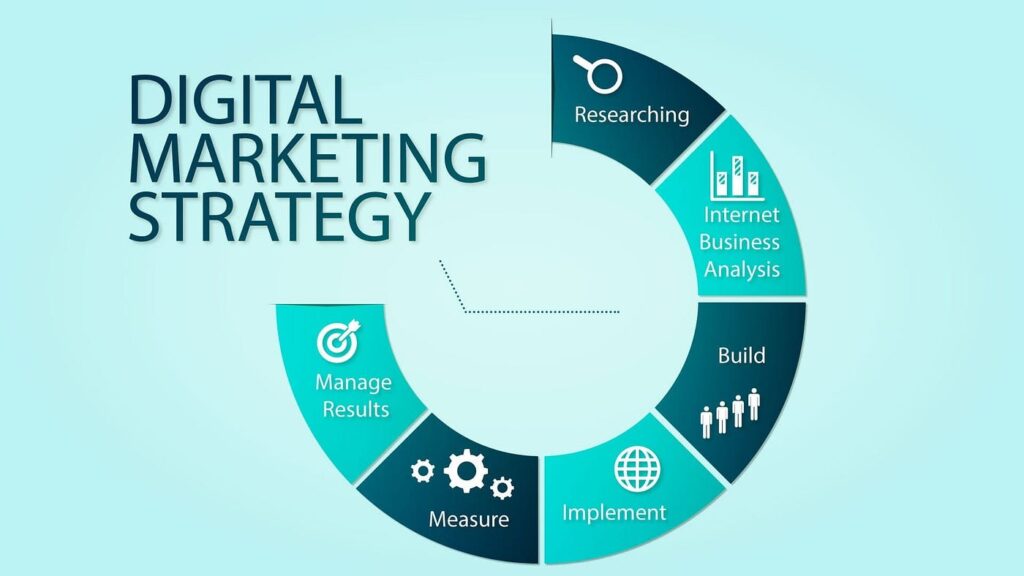
Step 1: Define Your Business Objectives
Before diving into tactics, get crystal clear on what you want to achieve.
Ask yourself:
- Do you want to increase traffic to your website?
- Are you trying to generate qualified leads?
- Is your priority to build a loyal customer base?
Your marketing strategy must align with your business model, whether it’s B2C or B2B. For example:
- A real estate firm in Mangalore may want to book 50 property site visits per month.
- An organic skincare brand in Bangalore may aim to grow online sales by 30% over the next quarter.
Pro Tip: Break your goals into quarterly milestones and align each marketing activity with a KPI (Key Performance Indicator).
Step 2: Know Your Audience Inside Out
Marketing to everyone is marketing to no one.
Use demographic, geographic, psychographic, and behavioral data to create buyer personas—fictional representations of your ideal customers.
For example:
- Age: 25–40
- Location: Urban Bangalore
- Interests: Sustainable living, home decor
- Pain points: Time-consuming online searches, lack of trust in brands
- Preferred platforms: Instagram, YouTube
Tools You Can Use:
- Google Analytics: Analyze who visits your site and their behavior.
- Meta Audience Insights: Great for Facebook and Instagram demographics.
- AnswerThePublic: Helps understand what your audience is searching for.
Step 3: Perform a Digital Audit & Competitive Analysis
Evaluate your current online presence:
- Are your website and landing pages optimized?
- Are you ranking for any keywords?
- How well are your social media pages performing?
Then, study 3–5 of your top competitors:
- What keywords do they rank for?
- How many backlinks do they have?
- Are they using PPC ads? What kind?
Tools for This Step:
- Ubersuggest or SEMrush for SEO analysis
- SpyFu for competitor PPC campaigns
- SimilarWeb to review traffic sources
Insight: If your competitor gets 30% of their traffic from YouTube, you may want to start video marketing too.
Step 4: Select the Right Digital Marketing Channels
Choosing the right platform is just as important as the message itself. Here’s a channel-based breakdown based on business type:
| Channel | Best For | Example |
|---|---|---|
| SEO | Long-term traffic | Blogs for real estate guides |
| Social Media | Brand visibility | Instagram Reels for fashion brands |
| Email Marketing | Lead nurturing | Newsletters for home decor brands |
| PPC Advertising | Fast conversions | Google Ads for product pages |
| YouTube Marketing | Education and trust | Tutorials for health products |
| WhatsApp Marketing | Local engagement | Retail and services in Mangalore |
Tip: Don’t try to be everywhere. Focus on 2–3 platforms that match your audience behavior and industry trends.
Step 5: Develop a Content Strategy That Converts
Content is the fuel for every channel.
Create Content Types Based on Funnel Stages:
- Top of Funnel (Awareness): Blog posts, social media, infographics
- Middle of Funnel (Consideration): Webinars, comparison guides, testimonials
- Bottom of Funnel (Conversion): Case studies, demo videos, offers
Example Strategy for an Architect Firm in Mangalore:
- Blog: “Top 5 Vastu Tips for South Indian Homes”
- Instagram: Before-after project reels
- Lead Magnet: Free downloadable home layout guide
- Follow-up Emails: Automated welcome series
SEO Tip: Use long-tail keywords like “best interior designers in Mangalore” or “eco-friendly architecture Bangalore.”
Step 6: Plan Your Budget and Resource Allocation
Your budget will depend on your goals and industry, but here’s a rough guideline:
- SEO & Content Marketing – 25%
- Paid Advertising (PPC, Meta Ads) – 30%
- Social Media Management – 20%
- Email Marketing Tools & Automation – 10%
- Analytics Tools & Reporting – 5%
- Creative (graphics/videos) – 10%
Pro Tip: Use tools like Canva Pro for in-house graphics, and Buffer or Zoho Social to manage social scheduling affordably.
Step 7: Set KPIs and Monitor Performance
Success needs to be measurable.
Track These Metrics Regularly:
- Website traffic (organic, referral, direct, paid)
- Bounce rate & average session duration
- Conversion Rate (CVR)
- Cost per lead (CPL)
- Social engagement & reach
- Email open rate and CTR
Tools for Tracking:
- Google Looker Studio (Data Studio): Visual dashboards
- HubSpot: CRM and marketing automation
- Hotjar: Heatmaps and session recordings for UX insights
Step 8: Review, Refine, and Repeat
Digital marketing is dynamic. What worked 3 months ago may not work today. Use A/B testing for ads and landing pages. Optimize blogs with updated keywords. Retarget drop-offs with personalized emails.
Example: If your Bangalore bakery notices more cake orders during weekends, run weekend-only ads with discount codes.
Final Word: Strategy Before Tactics
A successful digital marketing strategy blends creativity with data. It aligns every blog post, ad, and social media update with your core goals. Whether you’re scaling a D2C brand in Bangalore or offering consulting services in Mangalore, strategy is what separates businesses that grow from those that get lost in the noise.
At ACRD, we specialize in creating tailored digital strategies backed by analytics, storytelling, and real-world results.
Need a Strategy Built for You?
Let’s talk. ACRD offers full-service digital marketing—SEO, content, paid ads, email, automation, and analytics—so your business gets the attention it deserves.
Pingback: Unlocking Growth: How Digital Marketing Drives Success for Modern Businesses – Digital Agency